
You paint your walls or exterior, and everything looks fresh at first. But after some time, the color starts to look dull, uneven, or washed out.
This can be frustrating, especially if the paint job is still new.
Paint fading doesn’t happen randomly. There are clear reasons behind it, and understanding them can help you avoid the same issue in the future.
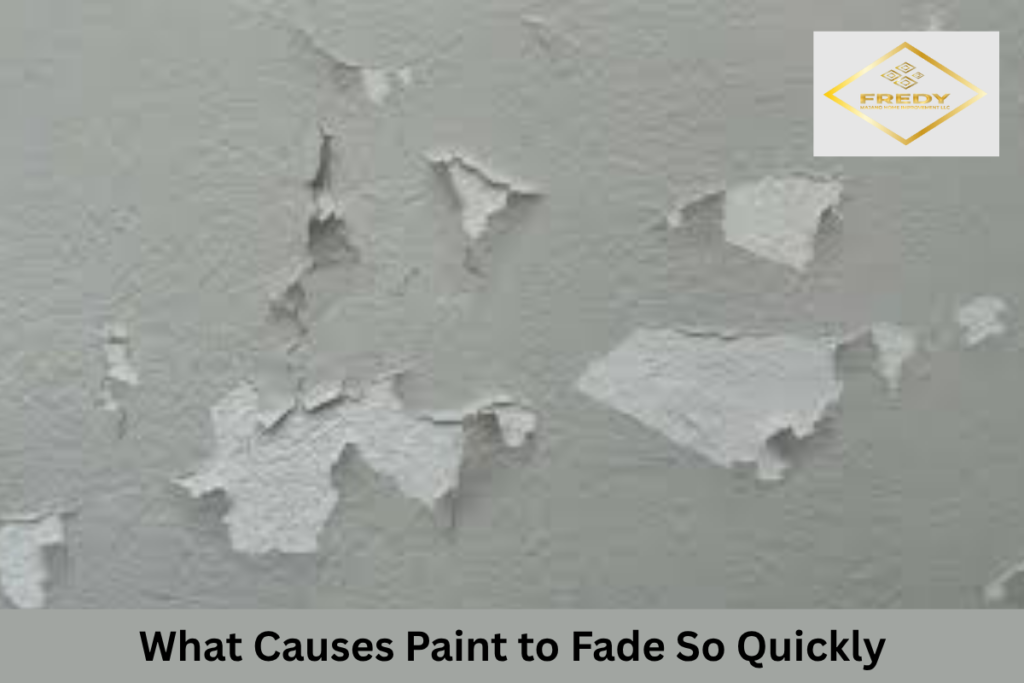
Why Paint Fades Over Time
Paint is constantly exposed to light, air, and environmental conditions. Over time, these factors break down the pigments that give paint its color.
As a result, the surface begins to lose its original appearance and looks faded.
Main Causes of Paint Fading
Several factors can cause paint to fade faster than expected.
Sunlight and UV Exposure
Sunlight is one of the biggest reasons paint fades.
Ultraviolet (UV) rays break down color pigments, especially on surfaces that receive direct sunlight for extended periods.
Areas most affected include:
- Exterior walls facing the sun
- Window-facing interior walls
- Upper sections of buildings
Darker colors tend to fade faster under strong sunlight.
Low-Quality Paint
The type of paint used plays a major role in how long the color lasts.
Lower-quality paint often:
- Loses color quickly
- Fades unevenly
- Shows dullness sooner
Paint with stronger pigments and better composition tends to hold color longer.
Poor Surface Preparation
If the surface is not properly prepared, paint may not bond well.
Common issues include:
- Dirt or dust left on the surface
- Skipping primer
- Painting over damaged areas
This leads to uneven fading and shorter paint life.
Harsh Weather Conditions
Outdoor paint is constantly exposed to weather changes.
Factors that affect paint include:
- Heavy rain
- Strong winds
- Extreme heat
- Sudden temperature changes
These conditions weaken the paint over time.
Moisture and Humidity
Moisture affects how paint dries and stays on surfaces.
High humidity or water exposure can cause:
- Patchy fading
- Stains
- Peeling along with fading
This is common in areas with poor ventilation.
Incorrect Paint Type
Using the wrong type of paint for a surface can lead to early fading.
For example:
- Interior paint used outdoors
- Paint not suited for high-moisture areas
Choosing the correct type for each surface is important.
Signs That Your Paint Is Fading
Fading doesn’t always happen suddenly. It often appears gradually.
Look for these signs:
- Color looks lighter than before
- Surface appears dull
- Some areas fade faster than others
- A chalky residue forms on the surface
- Paint loses its original finish
These signs indicate that the paint is breaking down.
How to Prevent Paint from Fading
While fading cannot be completely avoided, it can be reduced with the right approach.
Choose the Right Paint
Select paint suitable for the surface and environment.
- Use exterior-grade paint for outdoor surfaces
- Choose paint that can handle sunlight and moisture
Prepare the Surface Properly
A clean and smooth surface helps paint last longer.
- Remove dirt and dust
- Repair cracks or damage
- Use primer when needed
Apply Paint Correctly
Proper application affects how paint performs over time.
- Apply even coats
- Allow sufficient drying time
- Avoid painting in unsuitable weather
Maintain Painted Surfaces
Regular care can slow down fading.
- Clean surfaces periodically
- Inspect for early signs of damage
- Address issues before they spread
When Should You Repaint?
Even with proper care, paint will eventually fade.
You should consider repainting if:
- The color has noticeably changed
- The surface looks uneven
- Fading affects large areas
- Other issues, like peeling,g appear
Repainting at the right time keeps your home looking well-maintained.
DIY or Get It Done Properly?
Painting may seem simple, but achieving long-lasting results depends on proper preparation and application.
DIY may work if:
- The area is small
- The surface is already in good condition
You may want to get it done if:
- You want consistent results. The previous paint faded quickly
- You are dealing with large surfaces
Homeowners dealing with repeated fading often explore services to avoid similar issues in future paint jobs.
Final Thoughts
Paint fading is a common issue that many homeowners face. While it may seem like a simple cosmetic problem, it often reflects underlying factors such as sun exposure, moisture, or preparation issues.
By understanding these causes and taking the right steps, you can reduce fading and keep your walls looking consistent for longer.
FAQs
This usually happens due to uneven sunlight exposure or moisture in certain parts of the surface.
Yes, prolonged exposure to sunlight can break down paint pigments over time.
In most cases, repainting is needed to restore the original color.
Paint can last several years, but this depends on quality, weather conditions, and application.
Yes, better-quality paint tends to hold color longer and fade more evenly.