
You paint your wall, step back, and it looks perfect. But after a few hours—or the next day—the color doesn’t look the same anymore. It may appear darker, lighter, or uneven.
This can feel confusing, especially when you chose the color carefully.
The truth is, paint often looks different once it dries. This happens for several reasons, and most of them are completely normal. The key is knowing why it happens and how to avoid unwanted results.
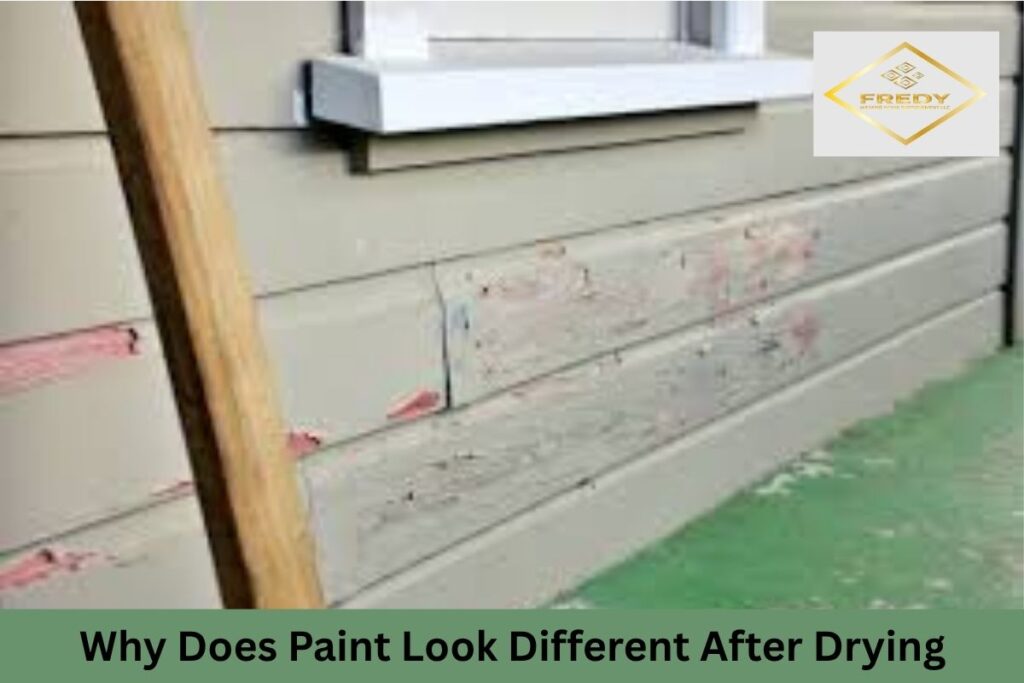
Why Paint Changes Color After Drying
Paint undergoes a drying process in which moisture evaporates, and the color settles. During this stage, the appearance can shift.
Wet Paint vs Dry Paint
When paint is wet, it reflects light differently. It usually looks darker and richer.
As it dries:
- Moisture evaporates
- The finish settles
- The color lightens or changes slightly
This is one of the most common reasons homeowners notice a difference.
Lighting Conditions in Your Room
Lighting plays a major role in how paint looks.
The same wall can look different depending on:
- Natural daylight
- Warm indoor lighting
- Shadows in the room
A color that looks perfect during the day may appear completely different at night.
Paint Finish (Sheen Level)
The type of finish you choose affects how light reflects off the wall.
Different finishes include:
- Matte
- Satin
- Semi-gloss
- Gloss
Glossier finishes reflect more light, which can make colors look brighter or slightly different once dry.
Number of Coats Applied
One coat of paint often doesn’t show the final color accurately.
If the wall underneath is visible, it can affect how the color appears. After applying multiple coats, the color usually becomes more even and closer to what you expected.
Surface Preparation
The condition of the wall before painting matters more than most people realize.
If the surface is:
- Uneven
- Dirty
- Not primed properly
The paint may dry unevenly, making the color look different in certain areas.
Paint Quality
Not all paints behave the same way.
Lower-quality paint may:
- Dry unevenly
- Show patchy color
- Lose consistency across the wall
Higher-quality paint tends to give a more uniform finish.
Common Situations Where Paint Looks Different
You may notice color differences in specific situations.
Here are some common examples:
- Fresh paint looks darker, then becomes lighter after drying
- Walls appear patchy after the first coat
- Different sections of the wall show slightly different shades
- Touch-up areas don’t match the rest of the wall
- Paint looks different in daylight vs artificial light
These situations are normal but can be reduced with proper steps.
How to Get Consistent Paint Color
If you want the color to look the same after drying, preparation, and technique matter.
Test the Paint First
Before painting the whole wall, apply a small sample area.
- Let it dry completely
- Check it in different lighting
- Observe how the color settles
This gives you a better idea of the final result.
Use Primer When Needed
Primer creates an even base for paint.
It helps:
- Improve color consistency
- Reduce patchiness
- Make the final color more accurate
Skipping primer can lead to uneven results.
Apply Multiple Coats
One coat is rarely enough.
For better results:
- Apply at least two coats
- Allow proper drying time between coats
- Ensure even coverage
This helps the color settle properly.
Maintain Consistent Lighting
Try to evaluate your paint color under different lighting conditions.
Look at the wall:
- During the day
- At night
- Under indoor lighting
This helps you understand how the color will appear throughout the day.
Prepare the Surface Properly
A smooth surface leads to better results.
Before painting:
- Clean the wall
- Repair cracks or holes
- Sand rough areas
- Ensure the surface is dry
This reduces uneven color patches.
Why Touch-Ups Sometimes Look Different
Many homeowners notice that touch-up paint doesn’t blend well.
This happens because:
- The original paint has already settled
- Lighting affects the new paint differently
- The finish may not match exactly
In some cases, repainting the entire section gives a more even look.
Should You Be Concerned About Color Changes?
In most cases, a slight color change after drying is normal.
However, you should pay attention to the following:
- The wall looks patchy even after multiple coats
- Color differences are very noticeable
- Some areas look dull or uneven
- The paint does not dry uniformly
These signs may indicate issues with application or surface preparation.
DIY or Get It Done Properly?
Painting may seem simple, but achieving a consistent finish takes attention to detail.
DIY may work if:
- You are painting a small area
- The surface is already in good condition
- You have the right tools
You may want to get it done if:
- You want even color across large walls
- Previous paint jobs turned out patchy
- You want a clean and consistent finish
Homeowners planning interior painting often explore services like Fredy Majano Home Improvement LLC to avoid uneven results and the need for repeated repainting.
Final Thoughts
Paint looking different after drying is something many homeowners experience. While it can be surprising, it usually comes down to how paint settles, how light interacts with it, and how the surface was prepared.
Paying attention to these factors before and during painting can help you get a result that looks consistent and closer to what you expected.
FAQs
Yes, paint often looks slightly different once it dries due to moisture evaporation and light reflection.
This can happen due to uneven application, lack of primer, or insufficient coats.
Often, applying additional coats helps even out the color.
Yes, lighting can change how a color appears at different times of the day.
Proper surface preparation, primer use, and multiple coats help maintain consistency.