
When you start a home project, one of the first decisions you face is choosing the right wood. Whether you’re fixing cabinets, building shelves, or working on outdoor structures, the type of wood you use makes a big difference.
Some wood looks good but doesn’t last long. Some last longer but cost more. Others are easy to work with but may not handle moisture well.
If you pick the wrong type, you may end up dealing with cracks, warping, or early damage. That’s why it’s important to understand your options before starting.
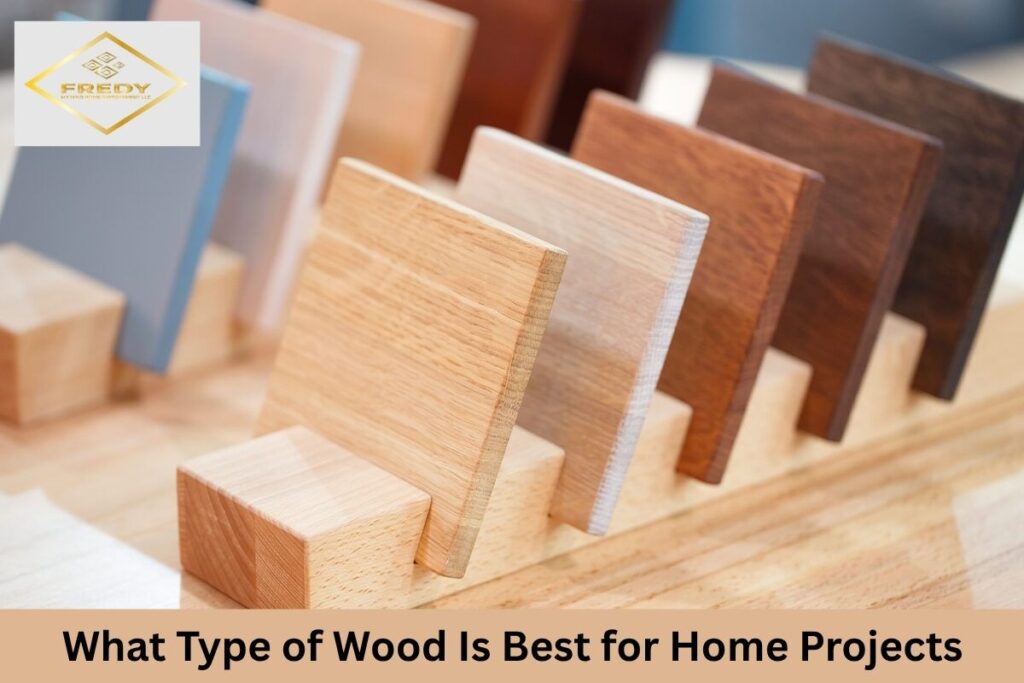
Why Choosing the Right Wood Matters
Wood is not the same across all types. Each one behaves differently depending on where and how it’s used.
The type of wood affects the following:
- Strength and durability
- Resistance to moisture and insects
- Appearance and finish
- Ease of cutting and shaping
- Long-term maintenance
Choosing the right material helps your project last longer and maintain its appearance over time.
Main Types of Wood Used in Home Projects
Wood is generally divided into two main categories: hardwood and softwood.
Hardwood
Hardwood comes from slow-growing trees like oak, maple, and walnut.
Common Features:
- Strong and dense
- Longer-lasting
- More resistant to damage
Common Uses:
- Furniture
- Cabinets
- Flooring
- Indoor carpentry work
Hardwood is often chosen when durability and appearance matter.
Softwood
Softwood comes from fast-growing trees such as pine, cedar, and fir.
Common Features:
- Lighter in weight
- Easier to cut and shape
- More affordable
Common Uses:
- Shelving
- Framing
- General home repairs
- Outdoor structures (depending on type)
Softwood is commonly used for everyday projects.
Best Types of Wood for Different Home Projects
The best wood depends on the type of project you’re working on.
For Indoor Furniture and Cabinets
For projects inside your home, durability and appearance are important.
Good options include:
- Oak
- Maple
- Walnut
These woods hold their shape well and provide a clean finish.
For Shelves and Light Projects
If you’re working on shelves or small items, you don’t always need heavy wood.
Suitable choices:
- Pine
- Plywood
- MDF
These are easier to handle and work well for simple structures.
For Outdoor Projects
Outdoor wood needs to handle moisture and weather.
Better options include:
- Cedar
- Redwood
- Pressure-treated wood
These types resist decay and last longer outside.
For Budget-Friendly Projects
If you’re trying to keep costs lower, you can still find workable options.
Examples:
- Pine
- Plywood
- Engineered wood
These materials are widely used for basic home improvements.
Comparing Popular Wood Options
Here’s a simple comparison to help you understand the differences:
Durability:
- Hardwood → Strong and long-lasting
- Softwood → Moderate durability
Cost:
- Hardwood → Higher cost
- Softwood → More affordable
Maintenance:
- Hardwood → Needs occasional care
- Softwood → May require more attention over time
Workability:
- Hardwood → Harder to cut and shape
- Softwood → Easier to handle
How to Choose the Right Wood for Your Project
Choosing the right wood depends on a few key factors.
Consider the following:
- Where the project will be used (indoor or outdoor)
- How much weight does the structure need to hold
- Your budget
- The look you want to achieve
- How much maintenance are you willing to do
Taking these into account helps you avoid future issues.
Common Mistakes Homeowners Make
Many problems come from choosing the wrong material.
Avoid these mistakes:
- Using indoor wood for outdoor projects
- Choosing wood based only on price
- Ignoring moisture resistance
- Not considering long-term durability
A small mistake in material choice can lead to repairs later.
Should You Handle Wood Projects Yourself or Get Them Done?
Some wood projects are simple and can be done on your own. Others require proper tools and experience.
You can handle it yourself if:
- The project is small
- You have basic tools
- The structure is simple
You may want to get it done if:
- The project involves heavy structures
- Precision is important
- You want long-lasting results
Homeowners working on carpentry projects often consult services to get a better idea of the materials and construction methods before starting.
Final Thoughts
Choosing the right type of wood is an important step in any home project. Each type has its own strengths, and the best choice depends on how and where you plan to use it.
Taking the time to understand your options can help you avoid common issues and create something that lasts longer and works better for your home.
FAQs
Hardwoods like oak and maple are known for their strength and durability.
Softwood can be used for light furniture, but it may not last as long as hardwood.
Cedar, redwood, and pressure-treated wood are commonly used for outdoor projects.
Softwoods like pine are easier to cut and shape, making them suitable for beginners.
Consider where the project will be used, how strong it needs to be, and your budget.