
You notice a loose door handle, a cracked wall, or a shelf that needs fixing. None of these feels like a major issue, but they still need attention. Over time, these small problems start piling up.
This is where a handyman comes in.
A handyman handles a wide range of small repairs and maintenance tasks around your home. Instead of calling different people for each issue, you can get multiple jobs done in one visit.
If you’ve ever wondered what a handyperson actually does, this guide will give you a clear idea of the work they handle and when it makes sense to call one.
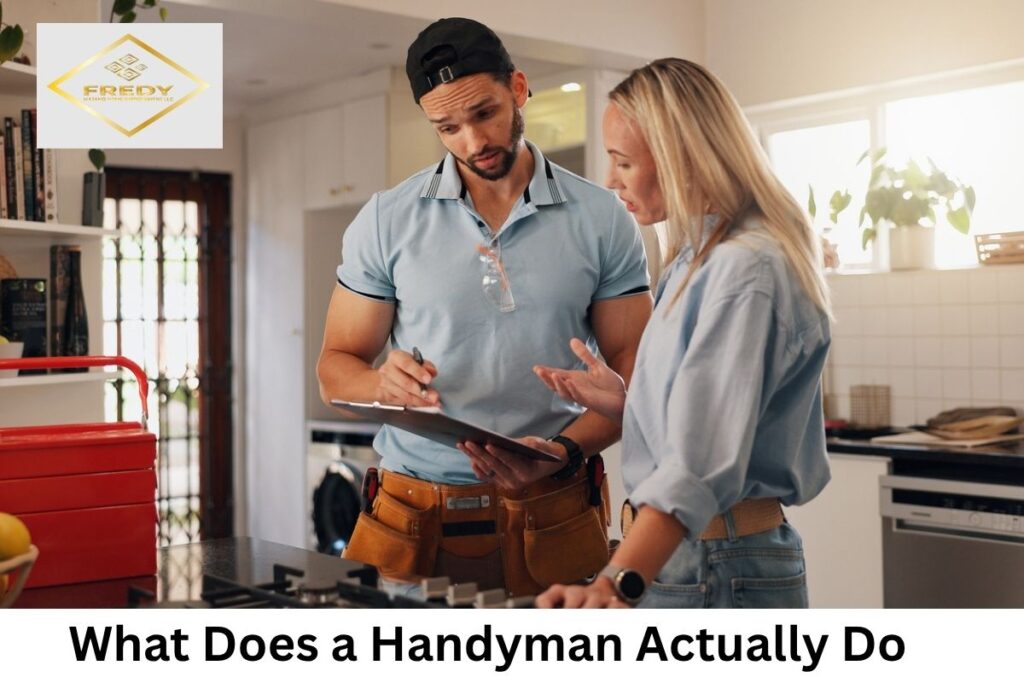
What Is a Handyman?
A handyman is someone who handles general repair and maintenance work inside and outside your home.
They usually deal with tasks that:
- Don’t require a specialized contractor
- Can be completed within a short time
- Involve repairs, installations, or adjustments
This makes them a practical choice for everyday home issues.
Common Tasks a Handyman Handles
A handyman handles many small jobs that homeowners often put off.
Interior Repairs
Inside your home, a handyperson can take care of things like:
- Fixing drywall cracks or holes
- Repairing damaged paint areas
- Fixing doors that don’t close properly
- Adjusting cabinets and drawers
- Repairing small ceiling issues
These tasks keep your home in good condition and prevent minor issues from getting worse.
Installation Work
Many homeowners need help with installing fixtures or small features.
A handyperson can handle the following:
- Mounting shelves or wall fixtures
- Installing curtain rods or blinds
- Hanging pictures or frames
- Setting up basic home fittings
Proper installation helps avoid damage later.
Basic Plumbing Tasks
Some plumbing issues don’t require a full plumbing service.
A handyperson may handle the following:
- Fixing leaking faucets
- Replacing showerheads
- Tightening loose pipe connections
- Minor sink repairs
For larger plumbing problems, a licensed plumber is still needed.
Electrical Fixes (Basic Level)
Simple electrical tasks can also fall under handyperson work.
These include:
- Replacing light fixtures
- Fixing switches or outlets
- Installing ceiling fans
A specialist should always handle more complex electrical work.
Exterior Maintenance
A handyperson can also work outside your home.
This includes:
- Repairing fences or gates
- Fixing deck boards
- Touch-up painting on exterior surfaces
- Minor siding repairs
Outdoor maintenance helps protect your home from further damage.
Why Homeowners Choose a Handyman
Instead of hiring multiple contractors, many homeowners prefer a handyperson for small jobs.
Here’s why:
- You can get multiple tasks done in one visit
- Small repairs are handled quickly
- You don’t need to schedule different services
- It saves time compared to handling everything yourself
This makes a handyman a practical option for everyday maintenance.
When Should You Call a Handyman?
It’s not always clear when to call a handyperson rather than handle the job yourself.
You should consider calling one when:
- You have several small repairs at once
- The task requires tools or experience you don’t have
- Repairs keep getting delayed
- You want the work done properly without trial and error
Waiting too long can turn small issues into bigger ones.
What a Handyman Does Not Handle
A handyman is not meant for every type of work.
They usually do not handle:
- Major electrical wiring
- Large plumbing installations
- Structural construction work
- Full home renovations
These tasks require specialized contractors with specific training.
Signs You May Need a Handyman Soon
Some issues may seem minor but shouldn’t be ignored.
Watch for signs like:
- Small cracks are appearing on the walls
- Doors or cabinets are not functioning properly
- Loose fixtures around the house
- Minor leaks or dripping taps
- Outdoor wood is starting to wear or loosen
Addressing these early helps maintain your home.
DIY vs Hiring a Handyman
Some homeowners prefer to handle repairs themselves. While that works for very small tasks, not every job is as simple as it looks.
DIY may work if
- The task is very basic
- You have the right tools
- There is no risk of damage
A handyman is a better option if:
- The repair requires experience
- Multiple tasks need attention
- The issue keeps coming back
Getting the work done correctly saves time and effort.
Choosing the Right Handyman
Not all services are the same, so it’s important to choose carefully.
Look for:
- Experience with different types of repairs
- Clear communication
- Consistent quality of work
- Ability to handle multiple tasks
Homeowners who want reliable repair work often turn to services like these for everyday home maintenance.
Final Thoughts
A handyman plays an important role in keeping your home in good shape. From small repairs to basic installations, they handle the kind of work that often gets overlooked.
If you’ve been putting off minor fixes or dealing with multiple small issues around your home, it may be the right time to have them addressed before they become bigger problems.
FAQs
A handyman handles small repairs, installations, and maintenance tasks around the home, both indoors and outdoors.
For small jobs, a handyman is usually more practical since you don’t need to hire separate specialists.
Yes, most handypersons can repair drywall damage and handle basic painting work.
If the job is small and doesn’t involve complex systems, a handyperson is usually suitable. Larger or technical work requires a specialist.
It depends on your home’s condition, but many homeowners call a handyperson when small repairs start adding up.