
You might notice a thin crack on your wall and think it’s nothing to worry about. But over time, that small line can grow, spread, or even come back after repair. That’s when it starts to feel frustrating.
Drywall cracks are common in many homes, but they don’t all mean the same thing. Some are harmless, while others can point to a more profound issue behind the wall.
If you’ve been seeing cracks in your drywall, it’s important to understand why they’re occurring and how to fix them properly.
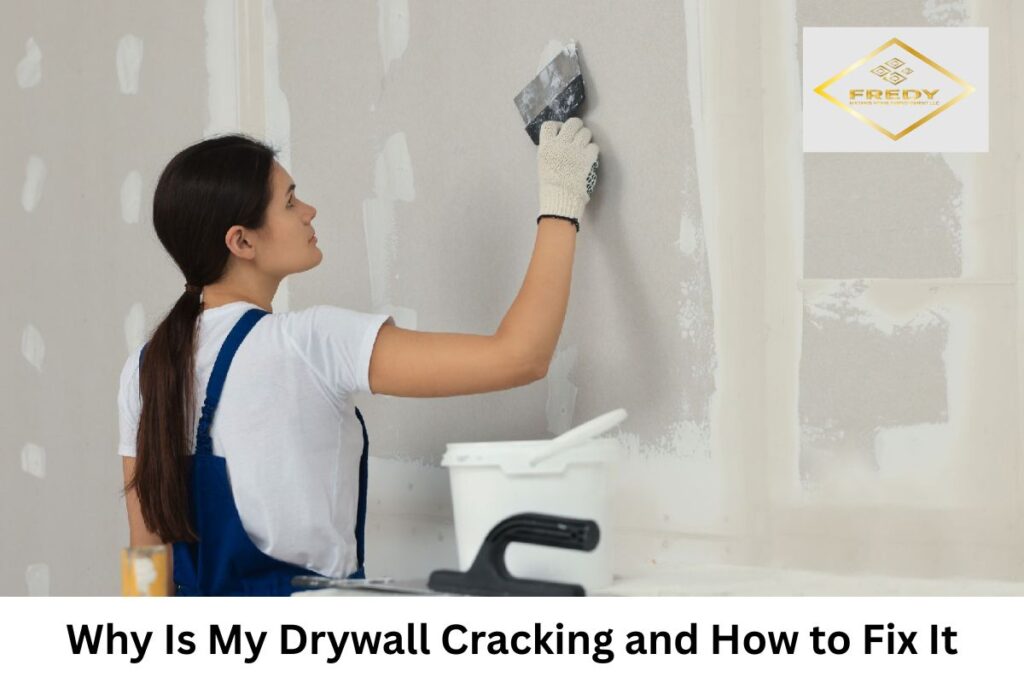
What Causes Drywall Cracks?
Drywall cracks usually appear because something is putting stress on the wall. That stress can come from movement, moisture, or installation issues.
House Settling Over Time
All homes shift slightly as they age. This natural movement puts pressure on walls, especially in the first few years after construction.
You’ll often see these cracks:
- Around doors and windows
- Near ceiling corners
- Along the wall joints
These are usually small and don’t always mean something is wrong.
Changes in Temperature and Humidity
Drywall reacts to its surroundings. When humidity rises or temperatures change, materials inside your walls expand and contract.
This situation can lead to:
- Fine cracks along seams
- Paint is separating from the surface
- Slight wall movement
Homes with poor ventilation often face this issue more frequently.
Poor Drywall Installation
If drywall is not installed correctly, cracks can appear earlier than expected.
Common problems include:
- Weak joint taping
- Uneven application of the compound
- Gaps between drywall panels
- Loose fastening
These cracks usually run along seams.
Water Damage Behind the Walls
Water is one of the biggest reasons drywall starts to break down. Leaks weaken the material, making it more likely to crack.
Signs of water-related cracks include:
- Discoloration or stains
- Soft or swollen areas
- Peeling paint around the crack
Ignoring moisture can make the damage worse over time.
Structural Movement
Sometimes cracks are linked to movement in your home’s foundation or framing.
These cracks are often:
- Wider than usual
- Diagonal in shape
- Reappearing even after repair
This type of cracking needs closer attention.
Types of Drywall Cracks You Might See
Not all cracks are the same. The shape, size, and location can tell you what’s causing the problem.
Hairline Cracks
These are very thin and usually appear due to settling or paint drying. They are mostly cosmetic.
Straight Cracks Along Seams
These cracks follow drywall joints and often point to installation issues.
Diagonal Cracks
Cracks that run at an angle may be linked to structural movement, especially near doors and windows.
Ceiling Cracks
Cracks in ceilings can be caused by stress, moisture, or problems with framing above.
Signs That the Crack Needs Attention
Some cracks stay small and don’t change. Others continue to grow or reappear after repair.
Here are signs you shouldn’t ignore:
- The crack is getting wider
- It keeps coming back after fixing
- Multiple cracks appear in different areas
- Doors or windows don’t close properly
- The wall feels uneven or weak
These signs suggest that the issue may go beyond the surface.
How to Fix Drywall Cracks
The right repair method depends on how serious the crack is.
Fixing Small Hairline Cracks
Minor cracks can usually be repaired with basic tools.
- Clean the surface
- Apply a thin layer of joint compound
- Let it dry completely
- Sand it smooth
- Repaint the area
This works well for cracks that are not caused by deeper problems.
Repairing Medium to Large Cracks
Wider cracks need a stronger repair approach.
- Open the crack slightly to remove loose material
- Apply drywall tape over the area
- Add joint compound in layers
- Allow each layer to dry before adding the next
- Sand and repaint
This method helps prevent the crack from reopening.
Fixing Cracks That Keep Coming Back
If a crack returns, the issue may not be with the surface itself.
You may need to:
- Reinforce the joint properly
- Check for moisture issues
- Inspect the wall for movement
Repeated cracking usually means the root cause hasn’t been addressed.
Handling Water-Damaged Drywall
If water is involved, repairing the surface alone will not fix the problem.
- Locate and fix the source of moisture
- Remove damaged drywall sections
- Replace with new material
- Finish and repaint
Leaving moisture untreated can lead to further damage.
How to Prevent Drywall Cracks
You can’t stop every crack from forming, but you can reduce the chances.
Here are some practical steps:
- Keep humidity levels balanced inside your home
- Fix leaks as soon as they appear
- Use proper ventilation in kitchens and bathrooms
- Avoid sudden temperature changes
- Make sure drywall is installed correctly
These small actions can make a noticeable difference over time.
Should You Fix It Yourself or Call a Service?
Some drywall repairs are manageable on your own, especially if the damage is small and stable.
However, there are situations where outside help is the better choice:
- Cracks keep returning
- Damage is spreading across the wall
- There are signs of water damage
- The wall or ceiling feels unstable
If you’re dealing with any of these, it’s better to have the wall checked properly. Sites work with homeowners facing these kinds of issues and can handle repairs that go beyond surface fixes.
Final Thoughts
Drywall cracks can start small but become a bigger issue if ignored. In many cases, they are easy to fix, but sometimes they signal a deeper problem behind the wall.
Pay attention to how the cracks behave. If they grow, return, or appear in multiple areas, it’s worth taking a closer look. Early action can prevent further damage and keep your walls in good condition.
FAQs
Cracks usually return when the main cause is still present. This could be movement, moisture, or weak joints that were not fixed properly.
Most small cracks are not serious. However, large or growing cracks can point to structural or moisture-related issues.
Painting alone will not fix the crack. It may hide it for a short time, but it will likely show again.
If the crack is wide, diagonal, or continues to spread, it may be related to structural movement and should be checked.
Small cosmetic cracks may not require urgent repair, but monitoring them is important to ensure they don’t worsen.