
Building a deck is a great way to create extra outdoor space. But before anything else, one question matters the most:
What material should you choose?
The material you pick affects how your deck looks, how long it lasts, and how much care it needs over time. Some options look natural but need more upkeep. Others last longer but come at a higher cost.
If you’re planning a deck, understanding your options will help you make the right choice.
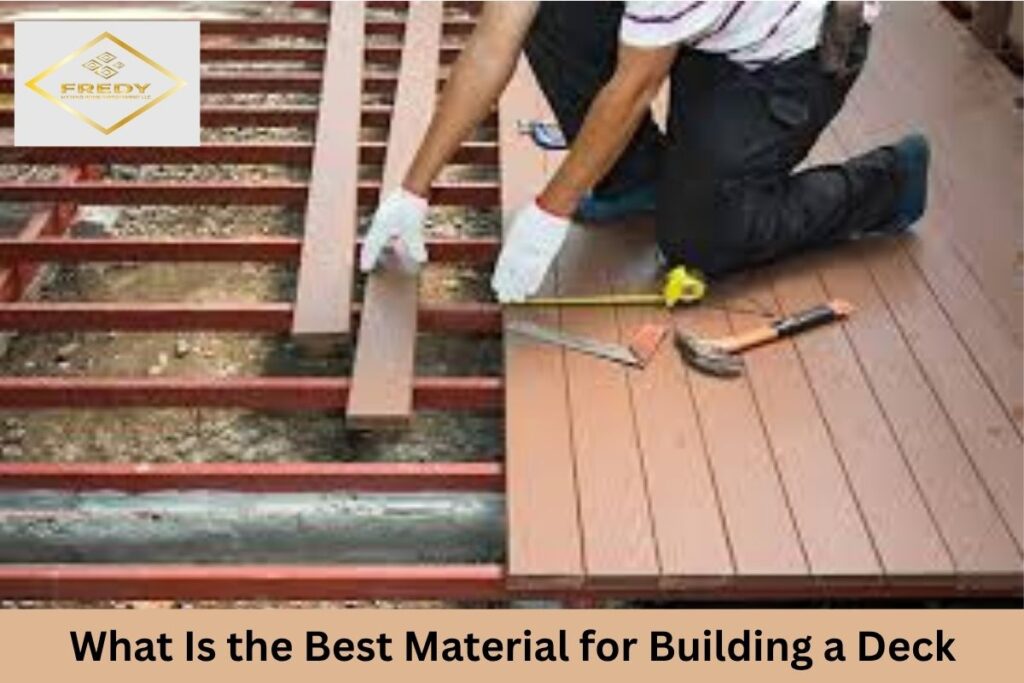
Why Deck Material Matters
The material is the foundation of your deck’s performance. It determines:
- How well the deck handles the weather
- How often does it need maintenance
- How long will it last
- How it looks over time
Choosing the wrong material can lead to early damage, frequent repairs, or extra costs later.
Most Common Deck Materials
There are several materials used for building decks, each with its own advantages and limitations.
Pressure-Treated Wood
This is one of the most commonly used materials for decks.
It is treated to resist moisture, insects, and decay.
Pros:
- Lower upfront cost
- Widely available
- Easy to work with
Cons:
- Requires regular sealing or staining
- Can crack or warp over time
- Needs ongoing maintenance
This option works well if you’re looking for a budget-friendly solution.
Natural Hardwood (Cedar or Redwood)
Hardwoods are known for their natural look and resistance to certain elements.
Pros:
- Attractive natural appearance
- Better resistance to insects
- Less chemical treatment compared to treated wood
Cons:
- Higher cost than treated wood
- Still requires maintenance
- Can fade if not protected
This is a good option if appearance is important to you.
Composite Decking
Composite decking is made from a mix of wood fibers and plastic.
Pros:
- Low maintenance
- Resistant to rot and insects
- Does not require staining
Cons:
- Higher initial cost
- Can get hot under direct sunlight
- It has a less natural look compared to real wood
This option is suitable if you want less maintenance over time.
PVC Decking
PVC (plastic) decking is made entirely from synthetic materials.
Pros:
- Strong resistance to moisture
- Does not rot or crack easily
- Requires very little maintenance
Cons:
- Higher cost
- May look less natural
- Can expand or contract in extreme temperatures
This works well in areas with heavy rain or moisture.
Comparing Deck Materials
Here’s a simple comparison to help you decide:
Cost:
- Pressure-treated wood → Lower cost
- Hardwood → Medium to high cost
- Composite → Higher cost
- PVC → Higher cost
Maintenance:
- Wood → Needs regular care
- Hardwood → Moderate maintenance
- Composite → Low maintenance
- PVC → Very low maintenance
Lifespan:
- Wood → Shorter lifespan
- Hardwood → Longer than treated wood
- Composite → Long-lasting
- PVC → Very durable
How to Choose the Right Deck Material
The best material depends on your priorities.
Choose Wood If:
- You prefer a natural look
- You are okay with regular maintenance
- You want a lower upfront cost
Choose Composite If:
- You want less maintenance
- You plan to use the deck frequently
- You prefer a balance between durability and appearance
Choose PVC. If:
- Your deck will face heavy moisture
- You want long-term durability
- You prefer minimal upkeep
Each option works differently depending on how you plan to use your deck.
Things to Consider Before Making a Decision
Before choosing a material, think about:
- Your budget for both short-term and long-term
- Weather conditions in your area
- How much maintenance are you willing to handle
- The look you want for your outdoor space
These factors will guide you toward the right choice.
Common Mistakes Homeowners Make
Some decisions can lead to problems later.
Avoid these mistakes:
- Choosing material based only on cost
- Ignoring maintenance requirements
- Not considering weather exposure
- Picking a material without understanding its lifespan
Taking time to evaluate your options can prevent future issues.
Should You Build It Yourself or Get It Built?
Deck building involves more than just selecting materials. Proper installation affects how long the deck lasts.
You can consider building it yourself if:
- The design is simple
- You have experience with construction
- You understand material handling
You may want to get it built if:
- The project is large
- You want a durable structure
- You want proper finishing and stability
Homeowners planning a deck often explore services to get a clear idea of material options and construction quality before starting.
Final Thoughts
Choosing the right deck material is one of the most important steps in building a deck. Each option has its own benefits and limitations, so the decision depends on your needs and priorities.
A well-chosen material not only improves the look of your outdoor space but also affects how long your deck lasts and how much care it needs over time.
FAQs
Composite and PVC materials tend to last longer than traditional wood.
Wood offers a natural look but requires more maintenance, while composite needs less upkeep.
PVC and composite decking require the least maintenance compared to wood.
Yes, composite materials can get warm under direct sunlight.
Consider your budget, maintenance preference, and local weather conditions before deciding.