
Fresh interior paint can completely change the feel of a home. It can brighten dark rooms, make spaces feel larger, and give every wall a clean, updated look. However, many homeowners notice that some paint jobs stay beautiful for years, while others fade, chip, or stain much sooner. That often leads to one important question: what makes interior painting last longer at home?
The answer is not just about buying paint and rolling it on the wall. Long-lasting results come from a combination of smart preparation, quality materials, expert application, and simple maintenance. In fact, the strongest paint job begins before the first brush even touches the surface. Then, it continues with the right finish, proper drying time, and regular care. If you want your walls to stay fresh and attractive for years, this guide will walk you through the most important factors that truly make a difference.
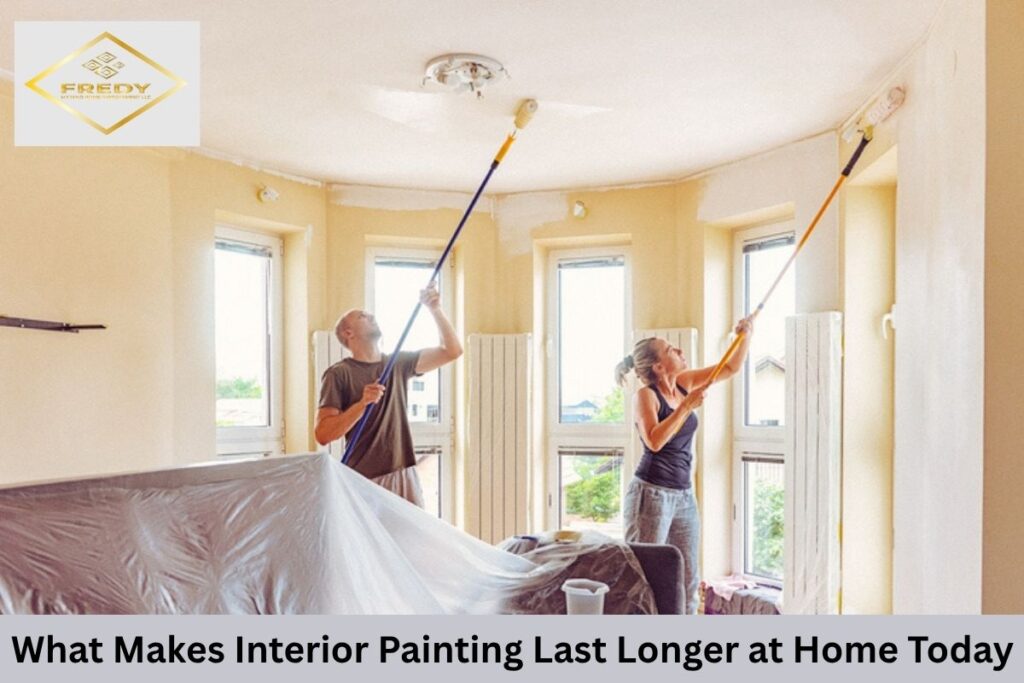
Proper Surface Preparation Creates a Strong Foundation
A lasting paint job always starts with surface preparation. Even the best paint struggles to bond well if the wall is dusty, greasy, cracked, or uneven. That is why professional painters spend time cleaning surfaces, repairing holes, sanding rough spots, and removing old peeling paint before they begin.
Many homeowners rush this stage because they want to see color on the wall quickly. However, skipping prep often leads to peeling, bubbling, or rough texture later. Clean and smooth walls help paint stick evenly, dry correctly, and look polished for much longer.
High-Quality Paint Makes a Real Difference
Not all paint is created equal. Lower-cost paint may seem like a smart deal at first, but it often needs more coats and may wear out faster. Premium paint usually offers stronger coverage, better color retention, and improved resistance to stains and moisture.
In busy homes, this matters even more. Hallways, kitchens, kids’ rooms, and entryways deal with fingerprints, scuffs, and daily traffic. A higher-grade paint can handle that wear better, making it one of the smartest long-term investments for interior painting.
The Right Primer Helps Paint Last Longer
Primer is one of the most overlooked steps in painting. Yet it plays a major role in durability. Primer seals porous surfaces, blocks stains, improves adhesion, and creates a smooth base for the topcoat. Without it, paint may absorb unevenly or fail to bond correctly.
Primer becomes especially important on new drywall, repaired walls, dark colors, glossy surfaces, or water-stained areas. In those cases, it helps the finish coat look better and last much longer. Think of primer as insurance for your paint job.
Choosing the Best Paint Finish for Each Room
Paint finish matters just as much as paint color. Different finishes perform better in different spaces. Flat finishes can hide wall flaws, but they are harder to clean. Satin and eggshell finishes are more washable, making them popular for living rooms, bedrooms, and hallways.
For kitchens, bathrooms, laundry rooms, and trim, semi-gloss or higher-sheen options often work better. These finishes resist moisture and wipe clean more easily. Choosing the right finish for each room helps your walls stay cleaner and more durable over time.
Professional Application Techniques Matter
Even great paint can fail if it is applied poorly. Uneven coats, overloaded rollers, missed edges, and rushed drying times often create problems. Professional painters know how to cut clean lines, apply smooth coats, and maintain consistent coverage across the wall.
They also understand drying and curing times. For example, adding a second coat too soon can trap moisture or create streaks. Waiting the right amount of time between coats allows the paint to harden properly. Good technique often separates an average paint job from one that lasts for years.
Moisture Control Protects Painted Walls
Humidity and moisture are common reasons interior paint breaks down early. Bathrooms, kitchens, and basements are especially vulnerable because steam and damp air can weaken paint over time. That may lead to peeling, bubbling, or mildew stains.
Fortunately, moisture issues can be managed. Use exhaust fans, open windows when possible, and repair leaks quickly. In problem areas, choose moisture-resistant paint designed for high-humidity rooms. Keeping walls dry is one of the easiest ways to extend paint life.
Daily Habits Can Extend Paint’s Life
The way a home is used also affects paint durability. Chairs rubbing walls, backpacks hitting corners, and dirty hands touching surfaces can wear paint faster than expected. Busy family homes naturally create more wall traffic, but simple habits can reduce damage.
For example, use door stops, furniture pads, and washable wall cleaners. Wipe marks gently before they build up. Teach kids to avoid dragging items against walls. Small habits like these can help paint stay fresh and reduce the need for touch-ups.
Sunlight and Temperature Also Play a Role
Many people forget that sunlight affects interior paint. Rooms with strong direct sun may fade faster, especially with bold or dark colors. Heat from windows can also stress paint surfaces over time, causing uneven wear.
To reduce this issue, use blinds, curtains, or UV-protective window treatments during peak sunlight hours. Stable indoor temperatures also help preserve paint. Extreme temperature swings may not ruin paint overnight, but steady comfort levels support longer-lasting results.
Routine Maintenance Keeps Walls Looking New
Long-lasting paint does not mean zero maintenance. Every few months, inspect walls for scuffs, nail pops, chips, or stains. Fixing small issues early prevents bigger repairs later. A quick touch-up now can save a full repaint later.
Regular cleaning also helps. Use a soft cloth or sponge with mild soap and water when needed. Avoid harsh chemicals unless the paint manufacturer recommends them. Gentle care keeps the finish intact and preserves color for years.
When It Is Time to Repaint
Even the best interior painting eventually needs refreshing. High-traffic areas may need new paint sooner than formal dining rooms or guest rooms. Signs it is time to repaint include fading color, scuffs that will not clean, peeling spots, or walls that simply feel tired.
Still, a quality paint job often lasts many years when done right. If your walls still look clean and smooth, there is no reason to repaint just because time has passed. Condition matters more than a calendar date.
Final Thoughts:
So, what makes interior painting last longer at home? It comes down to a few smart choices: proper prep, quality paint, the right primer, suitable finishes, careful application, and regular maintenance. Each step adds durability and helps your walls stay beautiful longer.
If you are planning a new paint project, do not focus only on color. Think about performance too. The right products and methods can save money, reduce repainting stress, and keep your home looking fresh year after year. Whether you paint yourself or hire a pro, taking the time to do it right always pays off.
FAQs
Interior paint often lasts 5 to 10 years, depending on room use, paint quality, surface prep, and maintenance.
Hallways, kitchens, bathrooms, kids’ rooms, and entryways usually need repainting sooner because of traffic and moisture.
In many cases, yes. Higher-quality paint often offers better coverage, stronger adhesion, and improved stain resistance.
Not always, but it is highly recommended on new drywall, repaired walls, dark colors, stains, and glossy surfaces.
Satin, eggshell, and semi-gloss finishes often last well because they clean easily and resist wear better than flat paint.
Yes. Use a soft cloth, mild soap, and gentle pressure. Avoid harsh scrubbing unless the paint is designed for it.
Yes. Strong direct sunlight can fade some colors over time, especially darker shades.
If you want smooth finishes, proper prep, faster completion, and long-lasting results, hiring a professional is often worth it.